Tiếng Việt

Small tattoos may look simple and minimal, but caring for them properly is just as important as caring for larger pieces. In fact, because small tattoos often contain fine lines and delicate details, improper aftercare can cause them to fade, blur, or lose sharpness more quickly. If you’re new to tattoos, this complete beginner’s guide will walk you through how to care for small tattoos from day one to long-term maintenance.
By following the right steps, you can ensure your small tattoo heals beautifully and stays crisp and meaningful for years to come.
Why Small Tattoos Require Special Care
Many people assume that small tattoos are easier to maintain, but this isn’t always true. Small tattoos often rely on thin lines and subtle shading, which can be more vulnerable during the healing process.
Without proper care, small tattoos may:
- Blur due to skin irritation
- Fade faster than expected
- Lose definition in fine details
Understanding how to care for small tattoos correctly helps preserve their clean lines and original design.
Immediate Aftercare: The First 24–48 Hours
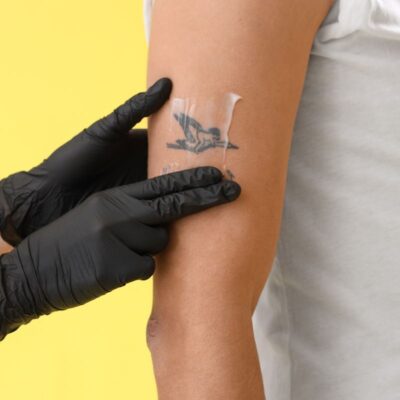
The first 24–48 hours after getting a small tattoo are extremely important and set the foundation for proper healing. During this period, your skin is essentially an open wound, making it vulnerable to bacteria, irritation, and ink loss. Careful and consistent aftercare during these first two days will significantly affect how well your tattoo heals and how sharp the final result looks.
Keep the Tattoo Covered
Immediately after the tattoo is completed, your artist will cover it with a sterile bandage or protective film. This covering should remain in place for the amount of time recommended by the artist, as it serves several critical purposes:
- Protects the tattoo from bacteria, dirt, and environmental contaminants
- Reduces friction caused by clothing or movement
- Helps prevent irritation and excessive fluid loss
Avoid removing the bandage too early unless specifically instructed, as premature exposure can increase the risk of infection and disrupt the healing process.
Clean the Tattoo Gently
Once it is safe to remove the bandage, proper cleaning becomes essential. Always begin by washing your hands thoroughly to avoid transferring bacteria. Then:
- Gently rinse the tattoo with lukewarm water
- Use a mild, fragrance-free soap to clean the area
- Carefully remove any excess ink, plasma, or dried residue
After washing, pat the area dry with a clean paper towel. Do not rub, scrub, or use cloth towels, as this can irritate the skin and damage fine tattoo lines.
Apply a Thin Layer of Aftercare Ointment
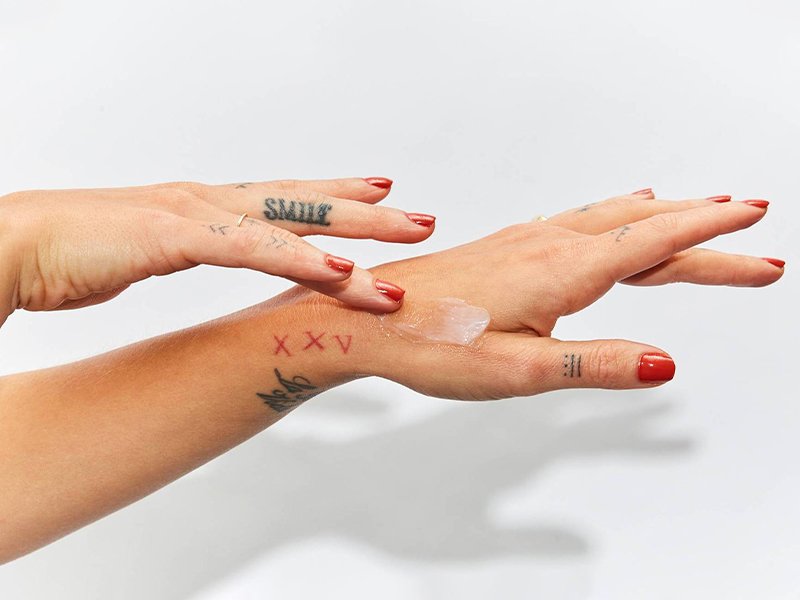
After the tattoo is clean and dry, apply a very thin layer of tattoo-specific aftercare ointment. Using too much product can clog pores, trap moisture, and slow down healing. When applied correctly, this step helps to:
- Reduce inflammation and redness
- Maintain proper skin hydration
- Protect delicate line work and prevent cracking
Following these immediate aftercare steps closely during the first 24–48 hours will help ensure a smoother healing process and preserve the clarity and quality of your tattoo.
Healing Phase: Days 3–14
From day 3 through day 14, your tattoo enters the active healing phase. During this period, it is common for a small tattoo to begin peeling, flaking, or feeling itchy as the outer layers of skin regenerate. These symptoms are a normal part of the healing process and indicate that your skin is repairing itself. While the tattoo may look dull or uneven temporarily, this will improve as healing progresses.
Do Not Pick or Scratch
As scabs and peeling skin form, it is essential to let them fall away naturally. Picking, scratching, or forcefully removing flakes can pull ink out of the skin, blur fine details, and lead to patchy or faded areas. Scratching can also break the skin, increasing the risk of scarring or infection. If itching becomes uncomfortable, gently apply moisturizer or lightly tap the area instead of scratching.
Moisturize Regularly
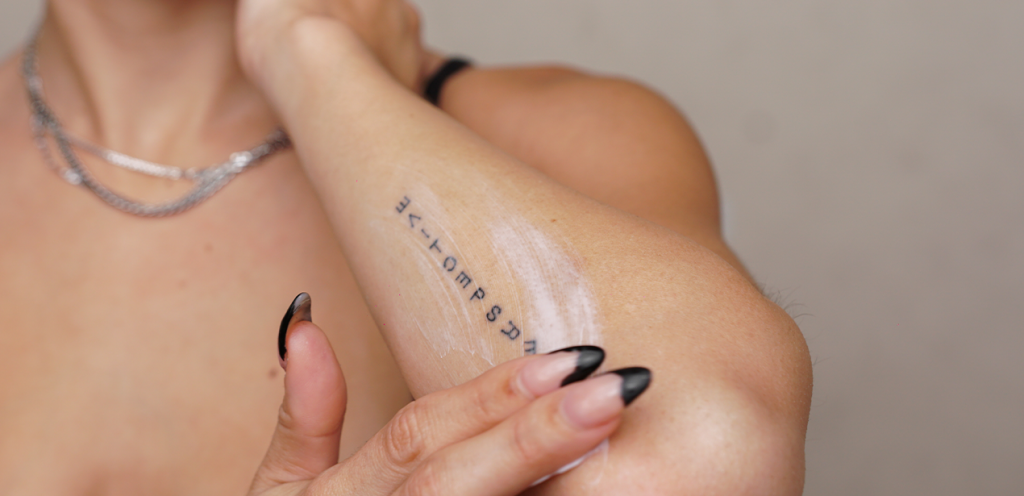
After the first few days, once the initial healing has stabilized, you should transition from a heavier ointment to a lightweight, fragrance-free lotion. Apply moisturizer 2–3 times per day to keep the skin soft, flexible, and properly hydrated. Well-moisturized skin heals more evenly and helps preserve the clarity and sharpness of your tattoo.
Avoid Water and Sweat Exposure
During this stage, your tattooed skin remains sensitive and should not be exposed to prolonged moisture. Avoid:
- Swimming pools, hot tubs, lakes, or ocean water, which can introduce bacteria and chemicals
- Long baths or soaking the tattooed area
- In addition, avoid heavy exercise or activities that cause excessive sweating, as sweat and friction can irritate the skin and slow the healing process.
By following these guidelines throughout days 3–14, you support proper healing, reduce the risk of complications, and help ensure your tattoo retains its original detail and appearance.
Common Mistakes Beginners Make
Avoid these common beginner mistakes when learning how to care for small tattoos:
- Using scented soaps or lotions
- Over-washing the tattoo
- Exposing the tattoo to direct sunlight too soon
- Picking at scabs or peeling skin
- Applying too much ointment
Learning how to care for small tattoos is essential for beginners who want their tattoos to heal properly and maintain clean, sharp details. Even though small tattoos require less ink, they demand careful attention during healing and consistent maintenance afterward.
By following this complete beginner’s guide, you can protect your tattoo, preserve its meaning, and enjoy a beautifully healed piece of art for many years to come.
Contact information:
Viet Ink Tattoo
- Address: 35 Luong Van Can Street, Hang Dao Ward, Hoan Kiem District, Hanoi.
- Hotline: 0986181133
- Website: https://vietinktattoo.com/