Tiếng Việt

Colored tattoos are a powerful form of self-expression. With their vivid hues and intricate designs, they stand out beautifully on the skin. However, unlike black and grey tattoos, colored tattoos require extra care to keep their pigments bright, bold, and long-lasting. Without proper aftercare and long-term maintenance, colors can fade, dull, or lose their original vibrancy.
In this comprehensive guide, you’ll learn how to care for colored tattoos from the moment you leave the tattoo studio to years down the line, ensuring your tattoo remains as striking as the day you got it.
Why Colored Tattoos Need Special Care
Colored tattoo inks are made from different pigments, each reacting uniquely to sunlight, skin type, and environmental factors. Compared to black ink, colored pigments:
- Fade faster when exposed to UV rays
- Are more sensitive to dry or damaged skin
- Can lose brightness if the skin is not properly hydrated
Because of this, understanding how to care for colored tattoos properly is essential if you want to preserve their intensity and clarity over time
Immediate Aftercare: The First 24–48 Hours
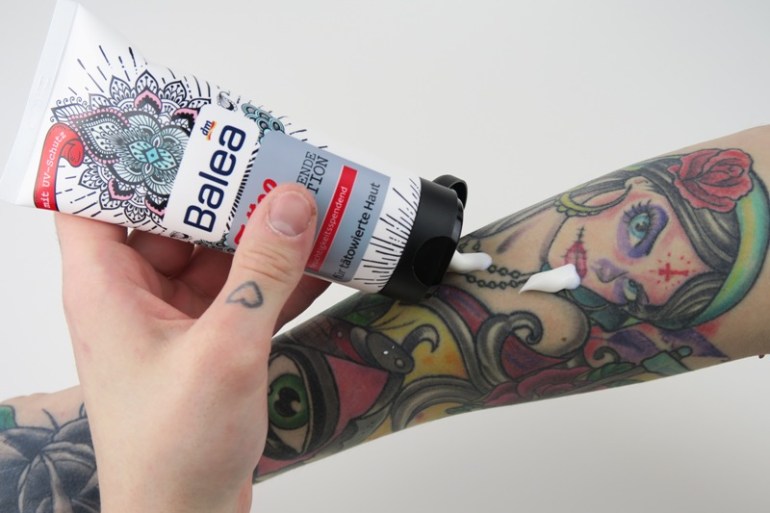
The first 24 to 48 hours after getting a colored tattoo are the most critical stage of the healing process. During this time, your skin is essentially an open wound, making it highly sensitive to bacteria, friction, and environmental damage. Proper care in these first two days plays a major role in how well the ink settles into the skin and how vibrant the colors will appear once healed.
Neglecting aftercare during this period can lead to fading, uneven color, prolonged healing, or even infection. Following your tattoo artist’s instructions closely is essential to protecting both your skin and your investment.
Keep the Tattoo Covered as Directed
Immediately after the tattoo is completed, your artist will cover it with a sterile bandage or a medical-grade protective film. This covering acts as a barrier that:
- Shields the tattoo from bacteria and dirt
- Prevents friction from clothing
- Reduces excessive fluid leakage during the initial healing phase
You should leave the bandage on for the exact amount of time recommended by your tattoo artist—typically anywhere from a few hours to 24 hours, depending on the type of covering used. Removing it too early can expose the tattoo to harmful microbes, while leaving it on too long may trap excess moisture.
Once removed, do not re-cover the tattoo unless your artist specifically instructs you to do so.
Clean the Tattoo Gently
After removing the bandage, gently cleaning the tattoo is essential to prevent infection and support proper color retention.
- Wash the area using lukewarm water and a mild, fragrance-free soap
- Always use clean hands—never wash a fresh tattoo with a cloth, sponge, or loofah
- Gently remove any plasma, excess ink, or ointment residue
After washing, pat the tattoo dry with a clean paper towel. Avoid using fabric towels, as they can harbor bacteria and cause irritation.
Never scrub or rub the tattoo. Aggressive washing can damage the healing skin, pull ink from the dermis, and result in faded or patchy colors—especially in colored tattoos.
Apply Tattoo Aftercare Ointment
Once the tattoo is clean and dry, apply a thin layer of a tattoo-specific aftercare ointment. Using too much product can clog pores and slow healing, so less is more.
A proper aftercare ointment helps to:
- Reduce redness, swelling, and inflammation
- Maintain moisture balance without suffocating the skin
- Support proper pigment retention and color saturation
Apply the ointment 2–3 times per day during the first couple of days, or as directed by your tattoo artist. Avoid petroleum-heavy products unless specifically recommended, as they may interfere with proper healing for some skin types.
Healing Phase: Weeks 1–3
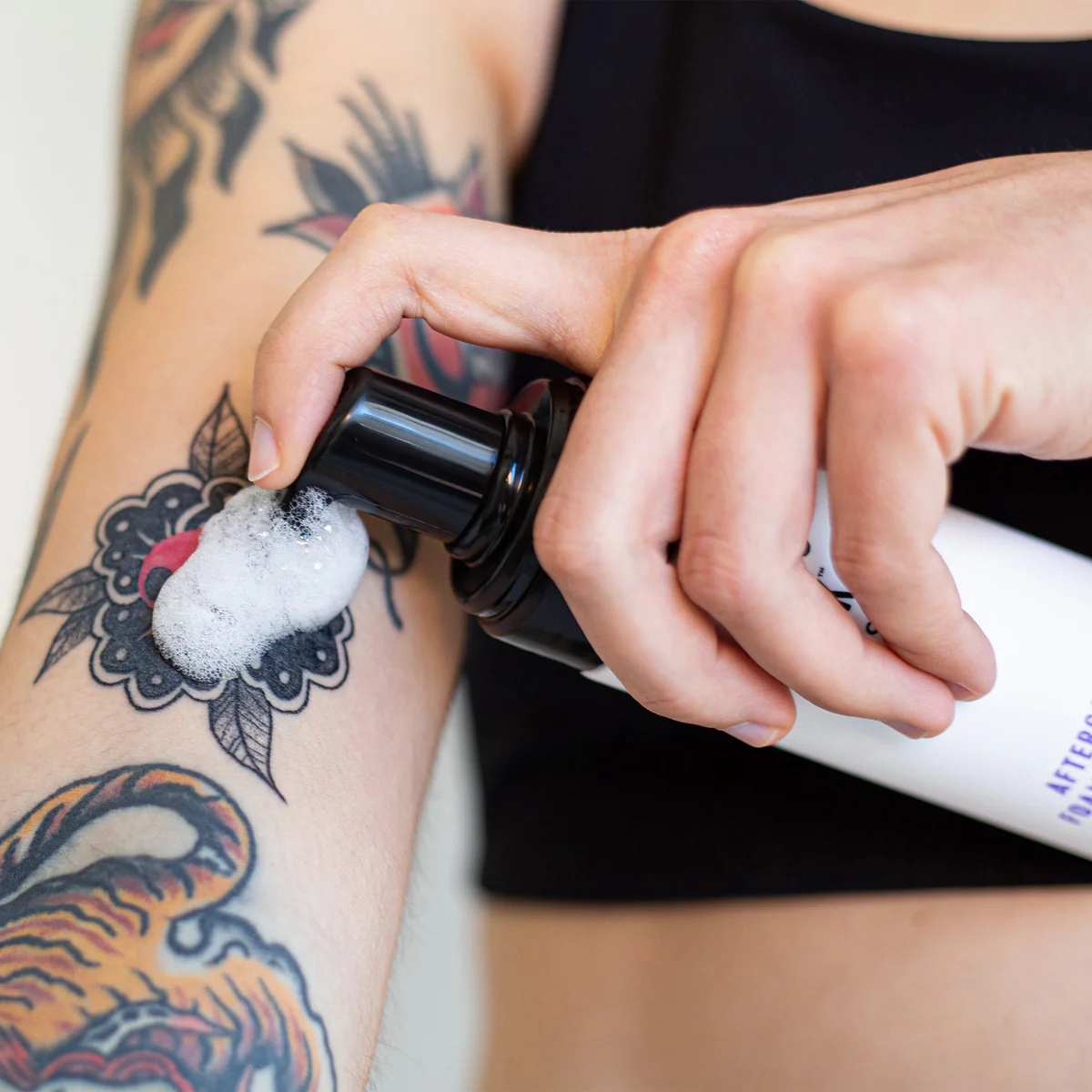
During this stage, your tattoo enters the most visible part of the healing process. It is completely normal for the skin to form scabs, begin peeling, and feel itchy as new skin regenerates underneath. While these reactions may be uncomfortable, how you care for your tattoo during this time plays a crucial role in how well it heals and how vibrant the colors remain long-term.
Do Not Pick or Scratch
Peeling and flaking skin are natural signs of healing. However, picking at scabs or scratching the area can seriously damage your tattoo. Doing so may:
- Pull ink out of the skin, causing faded areas
- Create uneven or patchy color results
- Increase the risk of scarring or infection
If itching becomes intense, gently tap the area or apply moisturizer instead of scratching.
Keep the Skin Moisturized
Proper hydration supports faster healing and helps preserve color clarity. Apply a thin layer of a fragrance-free, tattoo-safe moisturizer 2–3 times per day. Avoid over-applying, as overly saturated skin can clog pores and slow down the healing process.
Avoid Soaking and Excessive Sweating
- During weeks 1–3, your tattoo is still vulnerable and should not be submerged in water. Avoid:
- Swimming pools, hot tubs, lakes, or ocean water
- Long baths or soaking the tattooed area
In addition, limit intense workouts or activities that cause heavy sweating, as excess moisture and friction can irritate the skin and interfere with proper healing.
By following these guidelines consistently, you help ensure your tattoo heals cleanly, evenly, and retains its original color and detail.
Common Mistakes That Cause Colored Tattoos to Fade
Even with the best intentions, many people unintentionally shorten the lifespan of their colored tattoos by following improper aftercare habits. Colored ink is more sensitive to external factors than black ink, so small daily mistakes can gradually lead to dullness, uneven tones, and premature fading. Below are some of the most common mistakes you should avoid:
Skipping Sunscreen
Direct sunlight is one of the biggest enemies of colored tattoos. UV rays break down pigment molecules, causing colors to fade and lose their vibrancy over time. Failing to apply a high-SPF sunscreen once your tattoo has healed can significantly accelerate this process.
Using Harsh Skincare Products
Products that contain alcohol, acids, retinol, or strong exfoliating agents can strip moisture from the skin and damage tattoo pigments. These ingredients may cause irritation and gradually dull the color, especially on sensitive or freshly healed tattoos.
Taking Frequent Hot Showers
Prolonged exposure to hot water opens pores and dries out the skin. Over time, this can weaken the skin barrier and contribute to faster ink fading. While occasional warm showers are fine, consistently hot showers can negatively affect tattoo longevity.
Neglecting Moisturizer
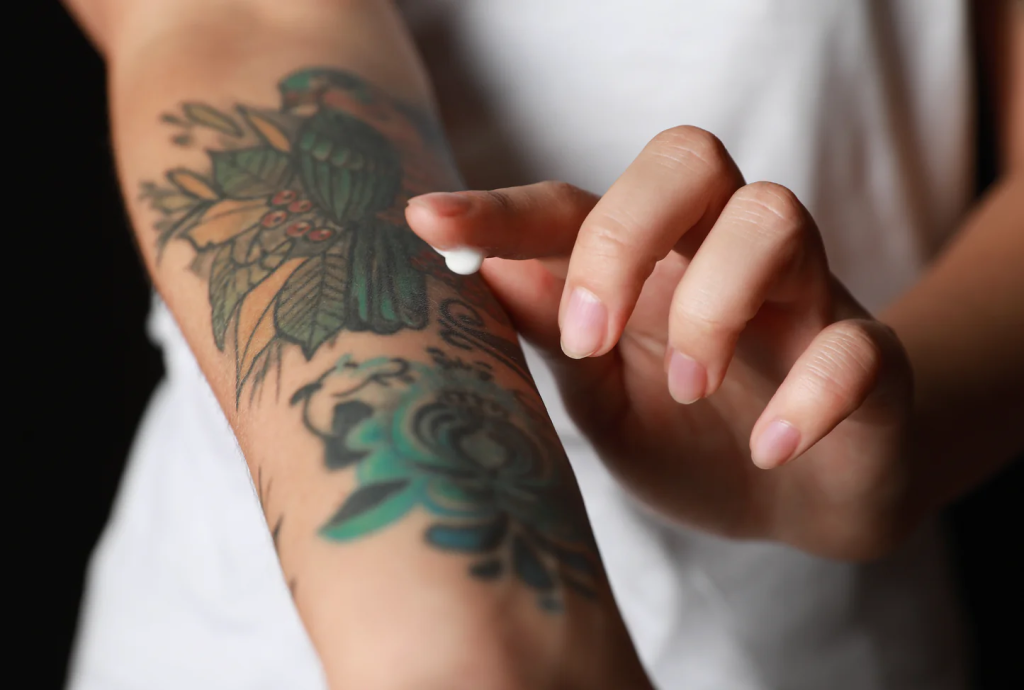
Dry skin makes tattoos appear dull and aged. Failing to moisturize regularly slows skin regeneration and reduces color clarity. Well-hydrated skin not only heals better but also helps maintain the brightness and sharpness of colored ink.
Scratching or Rubbing the Tattoo
Scratching itchy skin or rubbing the tattoo with towels, tight clothing, or rough materials can damage the upper skin layers. This friction may pull pigment from the skin and lead to uneven or patchy coloring.
Avoiding these common errors is a critical part of how to care for colored tattoos effectively. With proper protection, gentle skincare, and consistent hydration, your colored tattoo can stay vibrant, clear, and visually striking for years to come.
Hopefully, the information above will help you better understand how to care for colored tattoos and what to avoid to keep your tattoos looking fresh and vibrant. If you have any further questions, please contact Viet Ink Tattoo for more detailed advice!
Contact information:
Viet Ink Tattoo
- Address: 35 Luong Van Can Street, Hang Dao Ward, Hoan Kiem District, Hanoi.
- Hotline: 0986181133
- Website: https://vietinktattoo.com/