Tiếng Việt

One of the most common questions people ask before booking a tattoo appointment is about pain. While getting a new tattoo already comes with concerns, many clients are even more curious about the discomfort involved in touch-up sessions. So, is touch-up tattooing painful? The short answer is: it depends. Pain levels vary from person to person and are influenced by several important factors.
In this in-depth guide, we’ll explore how painful touch-up tattooing really is, what affects the level of discomfort, and how you can prepare for a smoother, more comfortable experience.
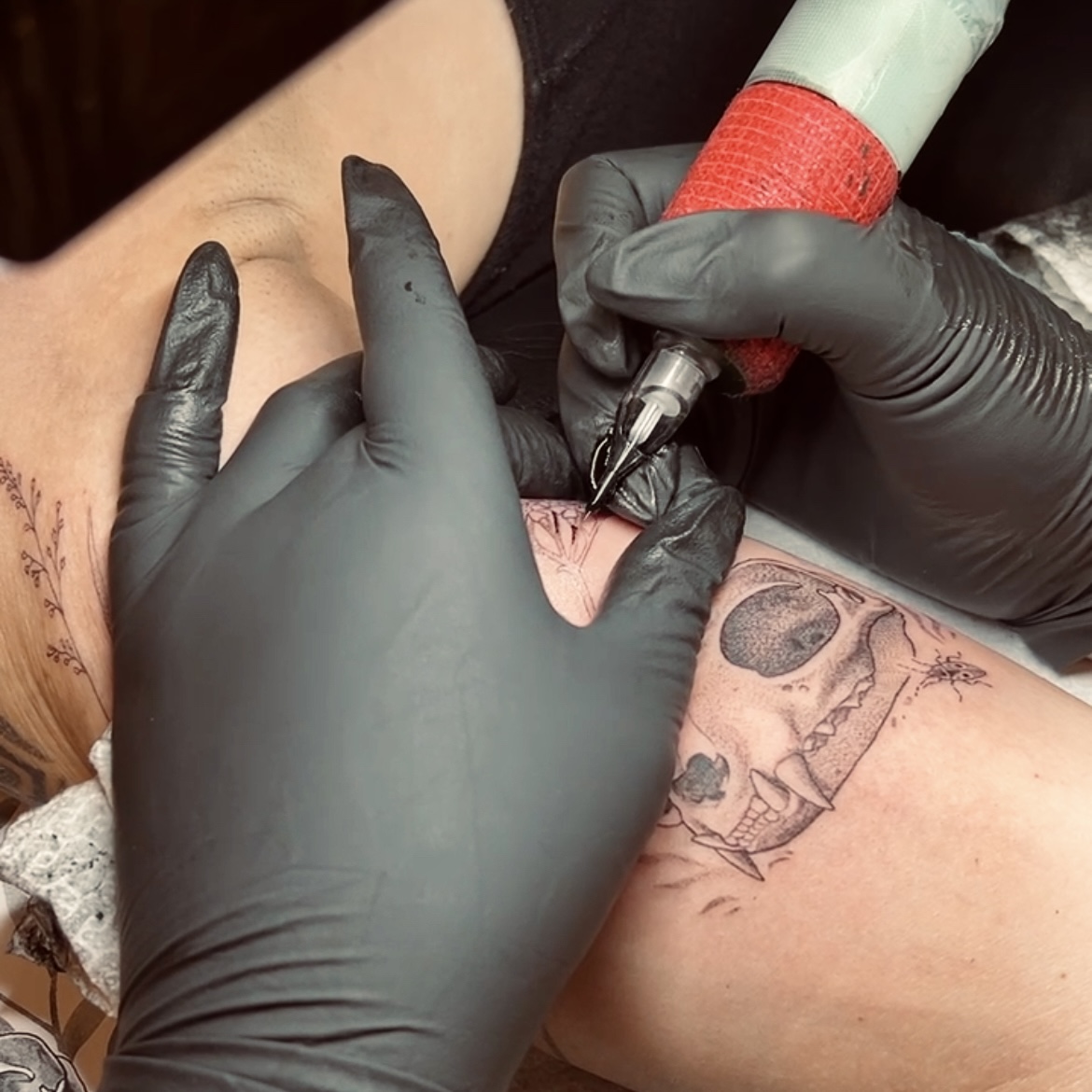
What Exactly is a Tattoo Touch-Up?
Before analyzing the pain, it is important to understand what a touch-up actually entails. A touch-up is a secondary tattoo session intended to correct imperfections or restore the vibrancy of an existing piece.
Unlike a cover-up (which hides an old tattoo with a new design) or a rework (which might change the design significantly), a touch-up usually focuses on:
- Re-lining: Going over lines that may have “fallen out” or healed too lightly.
- Color Packing: Adding saturation to areas where the ink healed patchy.
- Sharpening: Fixing minor blowouts or fuzzy edges.
Because the artist is not creating a new stencil or designing from scratch, these sessions are typically much shorter than the original appointment. However, the needle is often entering the exact same spots as before, which leads us to the pain factor.
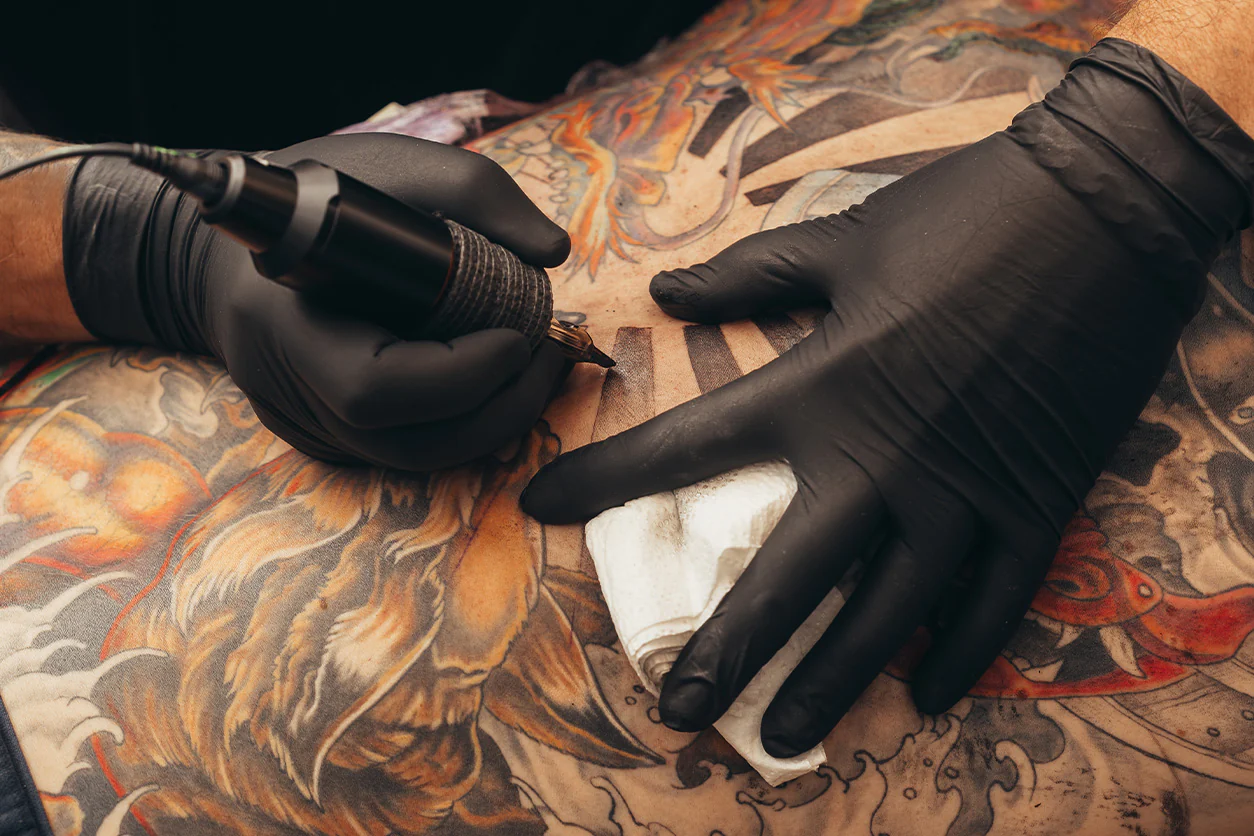
The Core Question: Does a Touch-Up Hurt More or Less?
There is a common debate in the tattoo community regarding whether touch-ups are more painful than the initial session. The answer is subjective, but generally falls into two camps:
The “It Hurts Less” Argument
For many clients, a touch-up feels significantly easier.
Duration: The primary reason is time. A session that lasts 20 minutes is physically and mentally easier to endure than a 4-hour sitting. Your body doesn’t have time to go into shock or deplete its adrenaline reserves.
Expectation: You already know what a needle feels like. The anxiety of the “unknown” is gone, which can lower your perception of pain.
The “It Hurts More” Argument
Conversely, a significant number of people report that touch-ups feel “sharper” or more intense.
Scar Tissue: Even if a tattoo looks perfectly healed, the skin structure underneath has changed. You are essentially tattooing over scar tissue. Scar tissue is often more sensitive and holds nerve endings differently than virgin skin.
Trauma Memory: Sometimes, the body “remembers” the trauma at that specific site, causing a heightened sensitivity response when the needle buzzes again
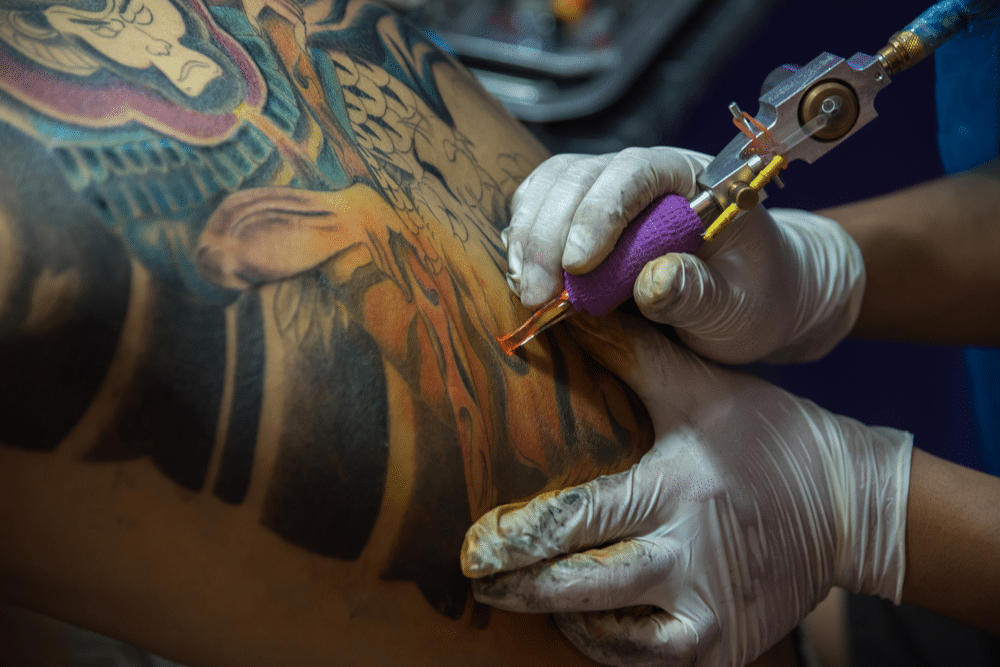
7 Key Factors That Affect Touch-Up Pain Levels
Pain is not random; it is influenced by a specific set of biological and environmental variables. If you are preparing for a touch-up, consider these seven factors.
Healing Status (The Most Critical Factor)
This is the number one reason touch-ups hurt. If you go back in too soon, it will be excruciating.
The “Onion Skin” Phase: Two weeks after a tattoo, your skin may look healed, but the layers underneath are still regenerating. This is often called “milky skin” or “onion skin.” Tattooing over this fresh, fragile tissue feels like scraping a sunburn.
The Golden Rule: Most artists recommend waiting at least 4 to 8 weeks (sometimes longer for heavy color work) before attempting a touch-up. The more settled the skin, the less painful the process.
Placement on the Body
The geography of your body remains the most consistent predictor of pain. A touch-up on your ribs will always hurt more than a touch-up on your forearm.
High-Pain Zones: Ribs, sternum, spine, feet, knees, and elbows. These areas have thin skin and sit directly over bone.
Low-Pain Zones: Outer thighs, forearms, calves, and shoulders. These areas have more muscle or fat to cushion the sensation.
The Artist’s Technique (“Hand Heaviness”)
Every artist has a different “hand weight.”
Heavy Handed: Some artists naturally press harder or run their machines at a higher voltage to pack in color. If your original artist was heavy-handed, the scar tissue left behind might be denser, making the touch-up more sensitive.
Fine Line vs. Bold Traditional: Touching up a delicate single-needle script usually hurts less than repacking solid black into a tribal tattoo.
Amount of Work Required
Are you fixing a single 1-inch line, or are you re-saturating an entire color sleeve?
Micro-Touch-ups: Often over before you realize it. The endorphins don’t even have time to kick in.
Full Reworks: If the artist has to go over a large surface area again, the skin becomes irritated and inflamed quickly (a process known as being “overworked”). The skin is already compromised from the first pass months ago, so it may swell faster.
Hydration and Skin Health
Your skin’s condition on the day of the appointment plays a massive role.
Dry Skin: Tattooing dehydrated skin is difficult. The skin resists the ink, forcing the artist to make multiple passes over the same area. This significantly increases pain and irritation.
Well-Moisturized Skin: Plump, hydrated skin accepts ink readily, allowing for a faster and less painful session.
Menstrual Cycle and Hormones
For biological females, hormone fluctuation can alter pain tolerance. Studies and anecdotal evidence suggest that pain sensitivity is heightened during the pre-menstrual and menstrual phases. Booking a touch-up during ovulation (mid-cycle) might result in a slightly higher pain threshold.
Physical and Mental State
Never underestimate the power of a good night’s sleep. If you arrive at the studio hungover, hungry, or sleep-deprived, your nervous system will be on high alert. A tired body cannot filter pain signals effectively, making a minor stinging sensation feel like a major burn.
Aftercare: Is It Different for Touch-Ups?
The good news is that the healing process for a touch-up is often faster and easier than the original tattoo.
Because the surface area being traumatized is usually smaller, there is less inflammation and less scabbing. However, the rules remain the same:
- Keep it clean: Wash with unscented antibacterial soap.
- Keep it moisturized: Use a thin layer of specialized tattoo balm or unscented lotion.
- No picking: Even if the scabs are tiny, picking them pulls the ink out.
- Sun protection: Once healed, use sunscreen to prevent needing another touch-up in the future.
- Note: If you had a reaction to the ink or aftercare product the first time, mention this to your artist. You want to avoid repeating an allergic reaction during the touch-up.
So, is touch-up tattooing painful? While some discomfort is normal, it’s usually less intense than getting a new tattoo. The level of pain depends on factors such as the tattoo’s location, skin sensitivity, the tattoo design, and individual pain tolerance.
Choose Viet Ink Tattoo for a reputable and professional touch-up tattoo experience. With a team of highly skilled artists, Viet Ink Tattoo is committed to meticulously correcting and refreshing your tattoo, ensuring even ink application, sharp lines, and lasting beauty. Our safe procedures, high-quality ink, and dedicated consultation will give you complete peace of mind when renewing your tattoo.
Contact information:
Viet Ink Tattoo
- Address: 35 Luong Van Can Street, Hang Dao Ward, Hoan Kiem District, Hanoi.
- Hotline: 0986181133
- Website: https://vietinktattoo.com/