Tiếng Việt

Tattoos are more than just body art — they are personal stories, meaningful symbols, and lifelong expressions of identity. However, even the most expertly crafted tattoos can lose their sharpness, vibrancy, and definition over time. This is where Touch-Up Tattooing plays a vital role. Touch-up tattooing is the professional solution to refresh faded ink, correct imperfections, and restore your tattoo to its original beauty.
In this article, we’ll explore what touch-up tattooing is, why it’s essential, when you need it, and how it helps preserve the quality of your ink for years to come.
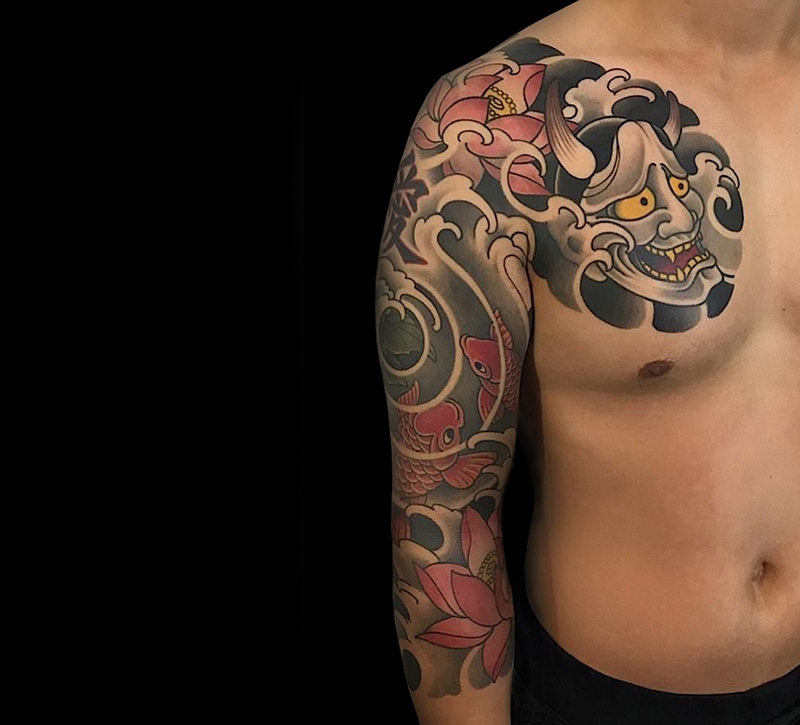
What Is Touch-Up Tattooing?
Touch-Up Tattooing is the process of enhancing or repairing an existing tattoo by reapplying ink to areas that have faded, blurred, or healed unevenly. Unlike getting a brand-new tattoo, touch-up work focuses on improving the original design without altering its core concept.
Touch-up tattooing may involve:
- Darkening faded lines or colors
- Fixing patchy or uneven ink
- Sharpening blurred outlines
- Enhancing small details
- Correcting minor imperfections from the initial session
This process ensures your tattoo remains bold, clean, and visually striking.
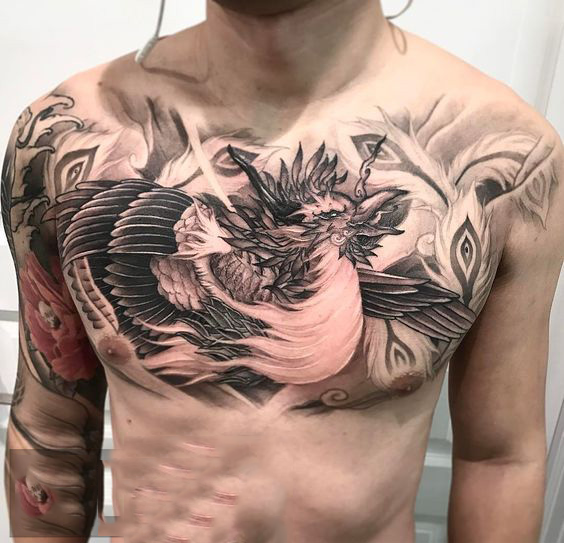
Why Do Tattoos Fade Over Time?
Tattoo fading is a completely natural process and can occur even when the tattoo is applied by a skilled artist and properly cared for. Over time, several biological and environmental factors interact with the ink in your skin, gradually affecting its vibrancy and sharpness.
Natural Skin Healing
When a tattoo is first applied, your body treats the ink as a foreign substance. During the healing phase, the immune system works to remove some of the ink particles while the skin regenerates. As a result, certain areas may appear lighter or slightly uneven once healing is complete, especially after the initial session.
Sun Exposure
Ultraviolet (UV) rays are one of the primary causes of tattoo fading. Continuous or unprotected exposure to sunlight breaks down ink pigments beneath the skin, causing colors to lose brightness and outlines to soften over time. This effect is particularly noticeable in brightly colored tattoos.
Aging Skin
As the skin naturally ages, it loses collagen and elasticity. These changes can cause tattoo lines to spread, blur, or lose their original definition, making the design appear less crisp than when it was first done.
Tattoo Placement
Tattoos located on areas with frequent movement or friction—such as the fingers, hands, feet, neck, and joints—tend to fade faster. Constant stretching, rubbing, and skin renewal in these areas accelerate ink breakdown.
Aftercare Mistakes
Improper aftercare can significantly impact how well a tattoo holds up. Scratching, picking scabs too early, excessive washing, or neglecting proper moisturizing can pull ink from the skin and compromise the final appearance.
Because of these factors, tattoo fading is not a sign of poor workmanship. Touch-up sessions are a normal and recommended part of maintaining a tattoo’s clarity, color, and overall quality over time.
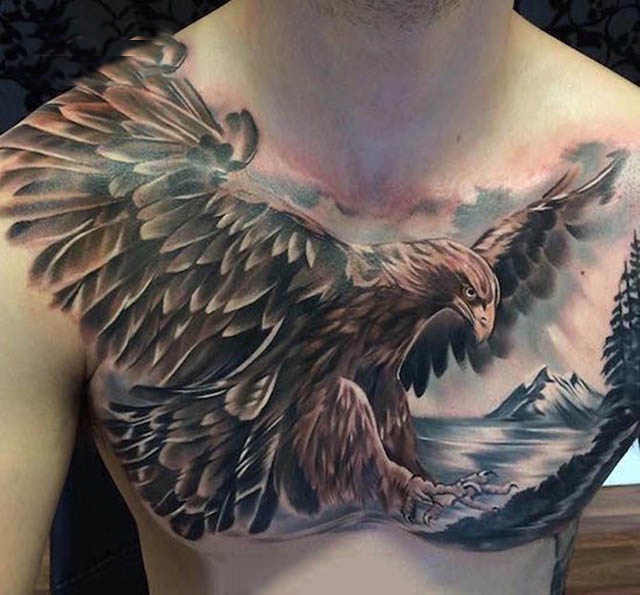
So when should you touch up your tattoo?
Touching up a tattoo is a perfectly normal part of maintaining its beauty and sharpness over time. Generally, you should consider a touch-up when the tattoo shows noticeable fading, the lines are no longer sharp, or the colors become pale and less vibrant than before. About 1-3 months after the initial tattooing, some areas may experience uneven ink loss due to the skin’s natural healing process; at this point, a touch-up will help to create a more uniform tattoo.
Additionally, for tattoos in areas that are frequently rubbed or exposed to sunlight, such as the hands, neck, and feet, a touch-up may be necessary sooner. When the tattoo no longer looks as aesthetically pleasing as desired, that’s the right time to consider a touch-up.
Can you prevent a touch-up tattoo ?
While touch-ups are a great way to give definition and vibrancy back to your art, they aren’t compulsory and often they can be prevented with proper aftercare and ongoing protection to your ink.
The most effective way to prolong the lifespan of your ink is to follow the aftercare instructions of your artist, and use a good quality solution like to promote healthy healing. This will ensure that the tattoo heals to its best possible result, preventing any need for an initial touch-up. For the ultimate best tattoo health, consider investing in a full tattoo care kit with tattoo healing wrap, a tattoo soap foam wash and tattoo aftercare cream.
If your tattoo has lost its original sharpness or color, a touch-up session can restore its original beauty. Visit Viet Ink Tattoo for more detailed advice on tattoo touch-up services and how to care for your tattoo to keep it looking its best!
Contact information:
Viet Ink Tattoo
- Address: 35 Luong Van Can Street, Hang Dao Ward, Hoan Kiem District, Hanoi.
- Hotline: 0986181133
- Website: https://vietinktattoo.com/