Tiếng Việt

Scars are a natural part of the body’s healing process, but they don’t always reflect how we want to feel about ourselves. Whether your scar comes from surgery, an accident, burns, or another life event, a scar concealment tattoo can transform it into meaningful artwork while restoring confidence. However, tattooing over scar tissue is different from tattooing healthy skin, making proper preparation and choosing the right artist essential.
This guide explains everything you should know before getting a scar concealment tattoo, helping you make an informed and confident decision.
What Is a Scar Concealment Tattoo?
A scar concealment tattoo is a custom-designed tattoo created specifically to disguise or blend the appearance of scars. Instead of simply placing ink over the scar, experienced tattoo artists design artwork that incorporates the scar naturally into the overall composition.
The goal isn’t always to make the scar disappear completely but to redirect attention toward a beautiful, personalized tattoo that complements your body.
Unlike cosmetic scar camouflage, scar concealment tattoos use artistic designs such as flowers, animals, geometric patterns, or abstract artwork to create a visually appealing result.
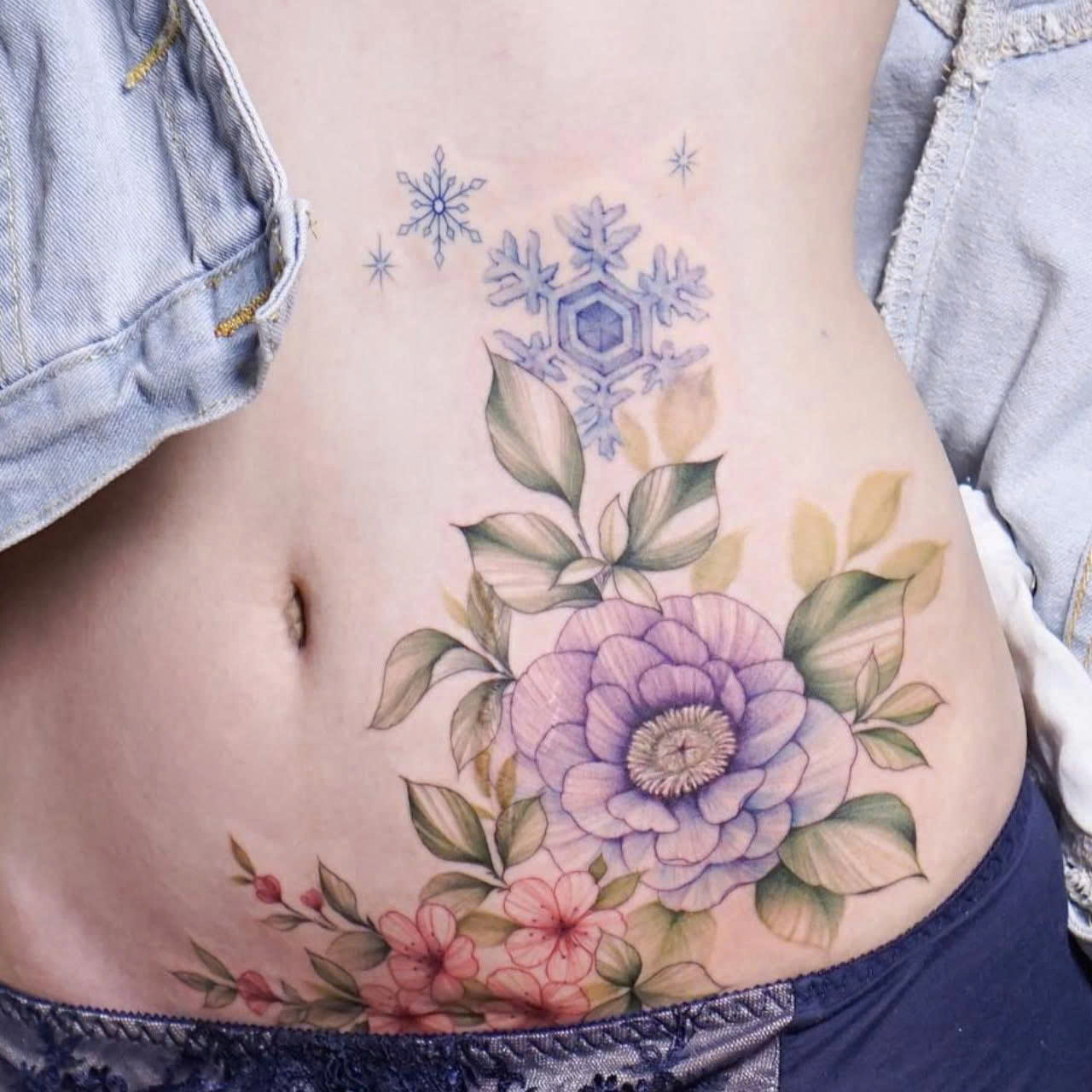
Scar Concealment Tattoo: Things You Should Know Before Covering a Scar
Not All Scars Are Ready to Be Tattooed
Timing and tissue maturity are the most critical factors in scar tattooing. Attempting to tattoo a scar too early can result in severe pain, poor pigment retention, or even further tissue damage.
Scar Maturity Matters
- Age of the Scar: As a general rule, a scar must be fully healed and mature—usually taking between 1 to 2 years.
- Color Check: A mature scar typically fades from red, pink, or purple to a pale white or flesh tone. If your scar is still pink or dark, it is actively remodeling and not ready for ink.
Types of Scars and Tattoo Feasibility
- Atrophic Scars (Flat or Depressed): Surgical scars, stretch marks, and acne scars generally respond very well to concealment tattoos once fully healed.
- Hypertrophic Scars (Raised): These can be tattooed, but the raised texture will remain. The tattoo creates a visual illusion, but it won’t flatten the skin.
- Keloid Scars: Proceed with extreme caution. Tattooing over keloids can trigger a trauma response, causing the keloid to grow larger or spread. Consult a dermatologist before attempting to cover a keloid.
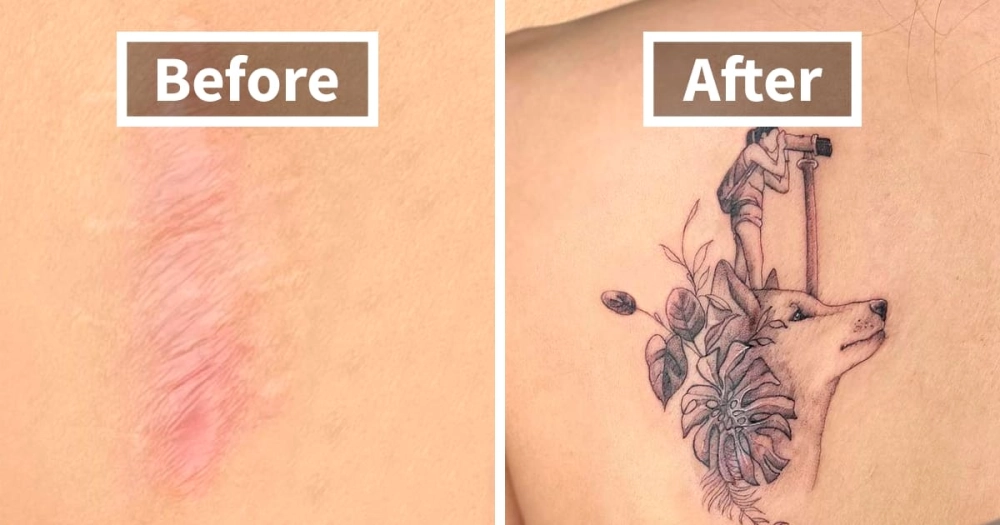
Tattooing Scar Tissue Feels (and Acts) Different
Scar tissue lacks the normal elasticity, hair follicles, and sweat glands of healthy skin. Because the tissue structure is altered, you should expect a unique experience:
- Variable Pain Levels: Depending on nerve damage, scar tissue can either be hyper-sensitive (more painful than regular skin) or completely numb.
- Ink Retention Issues: Scar tissue holds ink unpredictably. Pigment may blur, spread (blowout), or reject ink altogether, requiring touch-ups.
- Different Techniques Needed: Artists must adjust their machine speed, needle depth, and hand pressure dynamically as they pass over damaged tissue.
Design Choice Is Crucial for Effective Camouflage
You cannot simply slap any design onto a scar and expect seamless coverage. Successful scar concealment relies heavily on artistic cleverness to trick the eye.
- Organic Patterns: Flowers, vines, water, dragon scales
- High Contrast: Deep shadows mixed with detailed highlights
- Dynamic Flow: Designs that follow the body’s natural curve
Tips for Choosing a Design:
- Avoid Geometric Lines: Perfectly straight lines or rigid geometric patterns will accentuate skin unevenness if the scar tissue is raised or bumpy.
- Use Texture to Your Advantage: Complex textures (like feathers, koi fish scales, or dense botanical elements) break up the light bouncing off the scar, making it practically invisible.

You Need an Experienced Specialist (Not Just Any Artist)
Scar concealment requires advanced technical knowledge beyond standard tattooing. When searching for an artist, consider the following checklist:
- Dedicated Portfolio: Look specifically for “Before and After” photos of scar cover-ups in their portfolio.
- Healed Results: Ask to see healed photos, not just fresh ones. Scar tissue often settles differently once fully healed.
- In-Person Consultation: A skilled artist will always insist on examining and feeling the scar tissue in person before committing to a design.
Expect Touch-ups and a Patient Healing Process
Because scar tissue absorbs ink inconsistently, scar concealment tattoos are rarely a “one-and-done” process.
- Multiple Sessions: Your artist may prefer to work lightly in the first session to see how your skin holds the pigment, requiring a second pass weeks later.
- Strict Aftercare: Scar tissue heals slower and is more prone to infection or drying out. Strictly follow your artist’s aftercare protocol, keeping the area clean, protected from direct sunlight, and properly moisturized.

Where Should You Get a Scar Concealment Tattoo for the Best Results?
Choosing the right tattoo studio is one of the most important steps in achieving a successful scar concealment tattoo. Tattooing over scar tissue requires far more skill than creating a regular tattoo. The artist must understand how different types of scars react to ink and design artwork that blends naturally with the skin.
Viet Ink Tattoo is a trusted destination for clients looking for professional scar cover-up tattoos. The studio is home to experienced artists who specialize in custom tattoo designs and have extensive knowledge of working with healed scar tissue.
Before every session, the team carefully evaluates the condition of the scar, including its age, texture, and placement. Based on this assessment, they recommend the most suitable design, size, and tattoo style to achieve the most natural-looking result.
Rather than using generic templates, Viet Ink Tattoo creates custom artwork tailored to each client. Whether you prefer floral designs, blackwork, geometric patterns, or realistic tattoos, every piece is designed to beautifully conceal the scar while reflecting your personal style.
The studio also maintains strict hygiene standards and uses premium tattoo inks and modern equipment to ensure safety, comfort, and long-lasting color. With a combination of technical expertise, creativity, and personalized service, Viet Ink Tattoo helps transform scars into meaningful works of art that restore confidence and celebrate individuality.
Contact information:
Viet Ink Tattoo
- Address: 35 Luong Van Can Street, Hang Dao Ward, Hoan Kiem District, Hanoi.
- Hotline: 0986181133
- Website: https://vietinktattoo.com/
See more: